Plasma is often called the fourth state of matter, alongside solids,liquids, and gases. It is created when a gas is energized to the point that its atoms or molecules become partially ionized, producing a mixture of electrons, ions, radicals, and excited species. Unlike solids, liquids, or gases, plasma is electrically conductive and highly reactive. In nature, plasma appears in lightning and the aurora, while in industry it can be generated in a controlled way using electrical power.
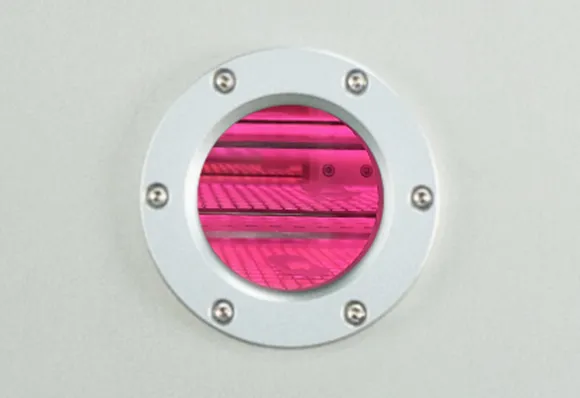
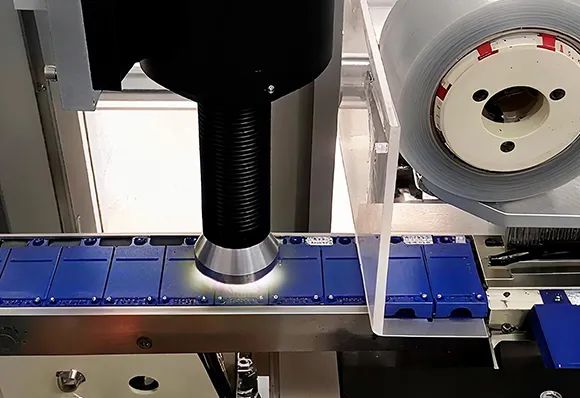
Atmospheric and vacuum plasma pre-treatment are highly effective methods for surface activation prior to bonding, coating, or printing. In atmospheric plasma treatment, a plasma jet or rotary nozzle operates at ambient pressure to clean and activate the surface inline, removing organic contaminants and increasing surface energy without the need for a vacuum chamber. In contrast, vacuum plasma treatment takes place inside a sealed chamber where controlled gas mixtures (such as oxygen or argon) generate a uniform plasma, enabling deeper cleaning and more homogeneous activation, especially for complex geometries or batch processing.
Atmospheric and vacuum plasma pre-treatment significantly improve adhesion by increasing the surface energy of materials prior to bonding, coating, or printing. The plasma process removes organic contaminants, weak boundary layers, and microscopic residues that can interfere with adhesion performance. At the same time, reactive species within the plasma introduce polar functional groups onto the surface, enhancing wettability and enabling stronger chemical bonding with adhesives or coatings.
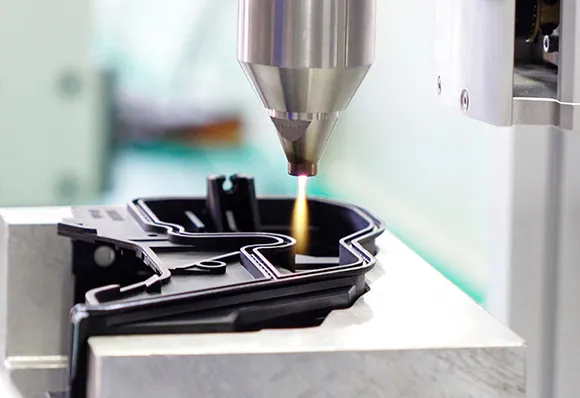

Atmospheric and vacuum plasma pre-treatment provide highly effective, dry cleaning processes for a wide range of materials prior to further processing. During plasma exposure, reactive species such as ions, radicals, and UV radiation break down and remove organic contaminants, oils, dust, and weak boundary layers from the surface. Atmospheric plasma is particularly suitable for inline and localized cleaning applications, offering fast processing at ambient pressure without the need for a vacuum chamber.
Atmospheric and vacuum plasma pre-treatment enable precise surface etching by modifying the top layer of a material through controlled plasma exposure. Reactive plasma species chemically interact with the surface, removing microscopic material layers and creating a fine, uniform micro-roughness. This etching effect improves mechanical interlocking and increases the effective surface area for subsequent bonding or coating processes.
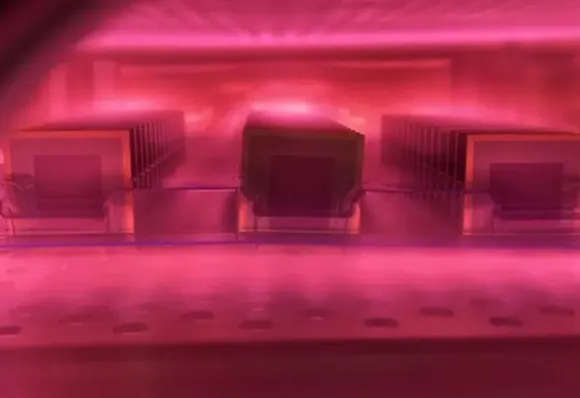
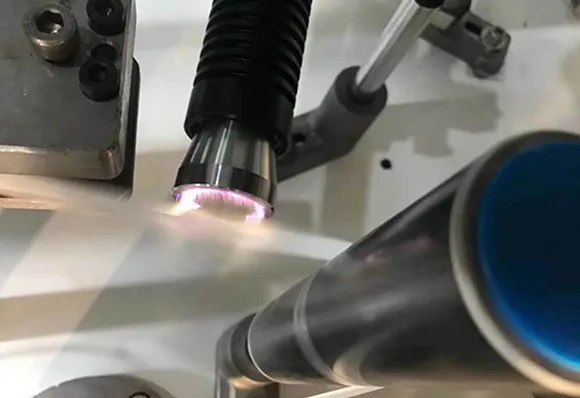
Atmospheric and vacuum plasma pre-treatment significantly enhance the varnishing process by preparing the surface for optimal coating adhesion and uniformity. Plasma treatment removes organic contaminants and increases surface energy, ensuring improved wettability and even varnish flow across the substrate. At the same time, activated functional groups created during plasma exposure promote stronger chemical bonding between the material and the varnish layer.
Atmospheric and vacuum plasma technology significantly improves surface wettability by increasing the surface energy of materials through controlled physical and chemical modification. During plasma treatment, reactive species remove contaminants and
introduce polar functional groups such as hydroxyl or carboxyl groups onto the surface.
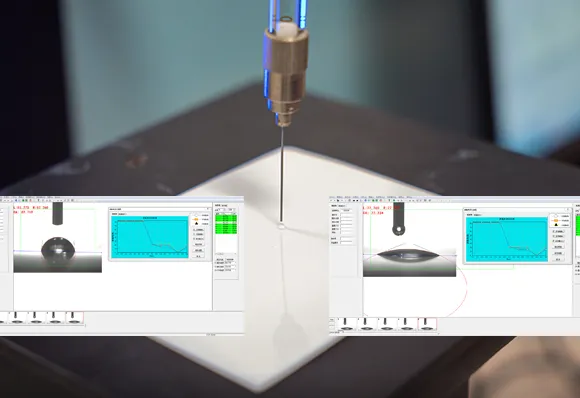
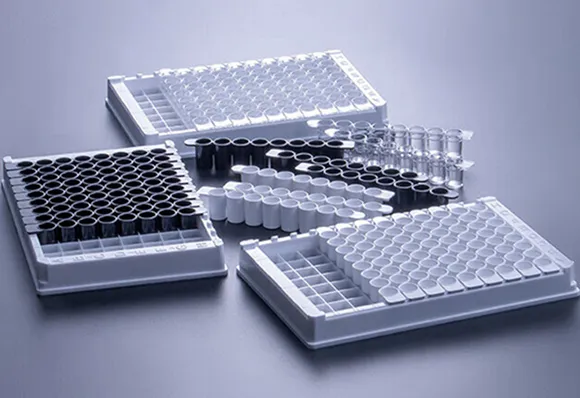
Atmospheric and vacuum plasma technology can be used to tailor a surface’s behavior toward being either hydrophilic (water-attracting) or hydrophobic (water-repelling) depending on the treatment conditions. In standard plasma activation using oxygen or air, polar functional groups are introduced to the surface, increasing surface energy and making it more hydrophilic, which improves wettability and adhesion.
WhatsApp us
Send us a message!
Our system experts are happy to assist you.